
Overview
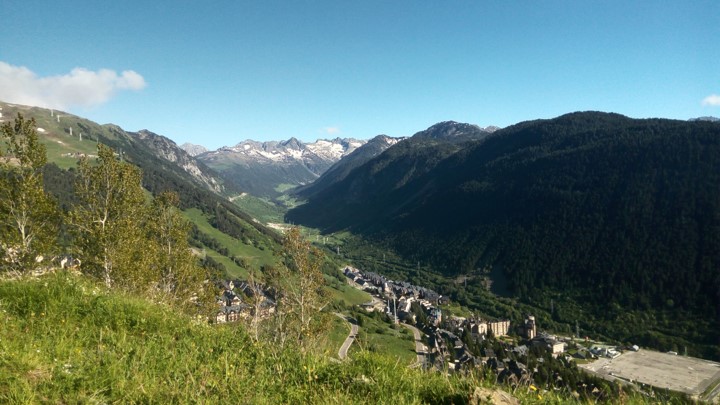
In the Catalan Pyrenees, local knowledge on wildfire prevention has been overlooked in the past decades. The increased deployment of policies aimed at fighting wildfire risk, and the expansion of bureaucratic forest management have displaced many local practices and traditions. Thus, the structuring of expert knowledge for fire prevention comes along with a growing sense of slow dispossession. Within the current climate change scenario, the region is confronted with the risk of a new generation of megafires. To address this, we will approach traditional practices through long-term ethnographic fieldwork to understand alternative paths toward the production of fire-resilient landscapes and societies.
Local partners and communities
Confronted with the increasing risk of wildfires and the limited capacity of national firefighting services, the rural regions of Catalonia have seen the deployment of Forest Defense Groups (ADF in the original). These grassroots associations are formed by local inhabitants, originally peasant landowners, who volunteer to receive fire prevention courses and carry out local forest-management measures. I will conduct ethnographic fieldwork, participating in assemblies, regular meetings, and working days to learn about local fire-resistant strategies and how this knowledge is constructed through continuous dialogues with former traditional practices and experiences.
Context and impact
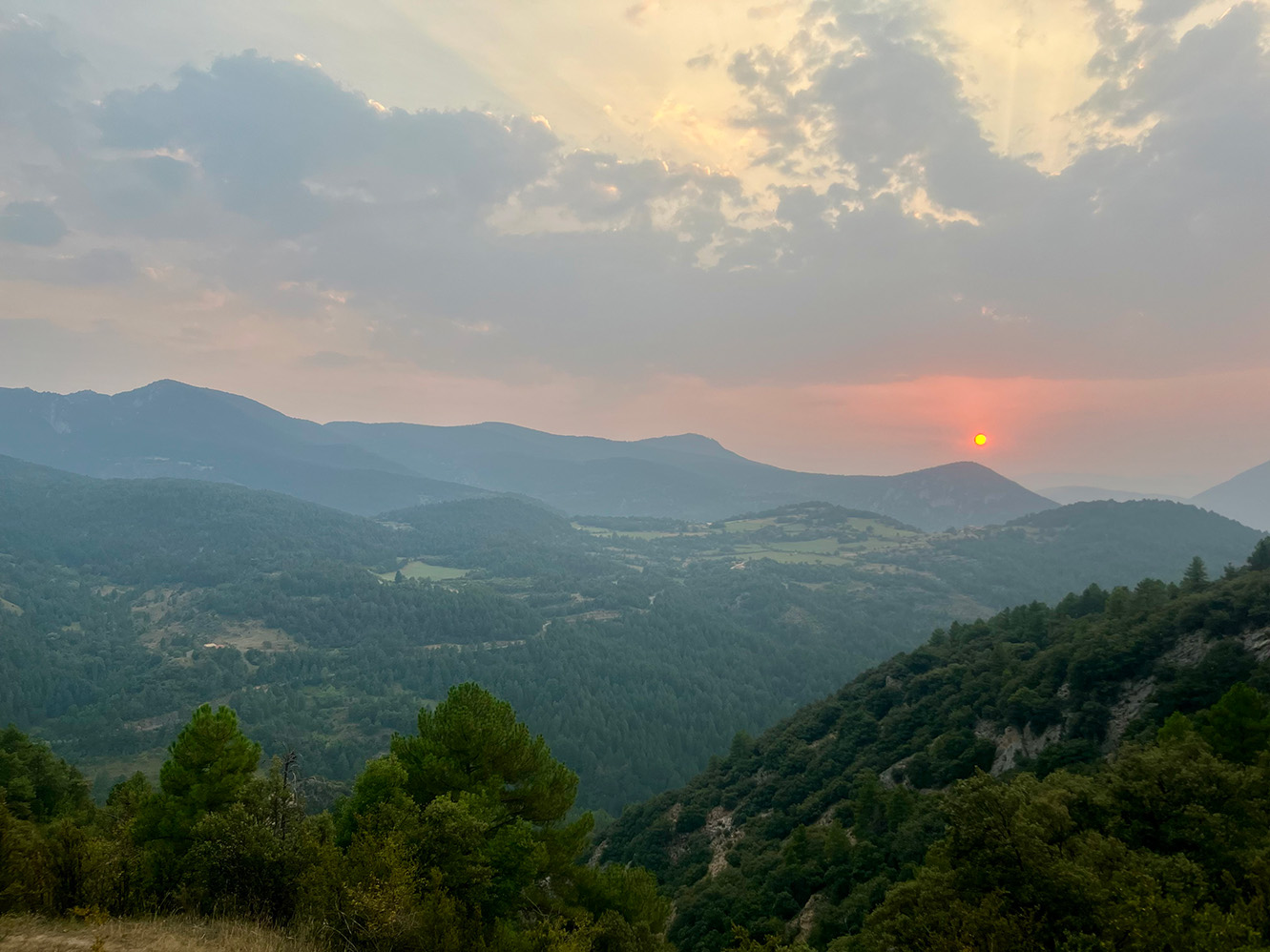
In the Catalan Pyrenees (Alt Pirineu i Aran region), local knowledge on wildfire prevention, including peasant practices of controlled burning, has been dismissed and even forbidden in the past decades. The increased deployment of policies aimed at mitigating wildfire risk and prevention, together with the expansion of bureaucratic institutions for forest management, have sidelined local practices and knowledge. High rates of outmigration in the region, especially during the 1960s and 1970s, left behind a scenario of depopulated landscapes and abandoned agricultural pasturelands, especially in the upper valleys. Development initiatives pushed forward by governmental policies, and EU initiatives prompted rural tourism as an alternative, undermining both traditional and modern farming. Reforestation, rewilding, and land abandonment are widespread dynamics, and these aspects are key to understanding the feeling of disenfranchisement and neglect expressed by the local population. Thus, the structuring of expert knowledge for fire prevention comes along with a growing sense of slow dispossession.
Keywords
Catalan Pyrenees, wildfire prevention, Forest Defense Groups, grassroots associations, depopulated landscapes
← Exit case study